

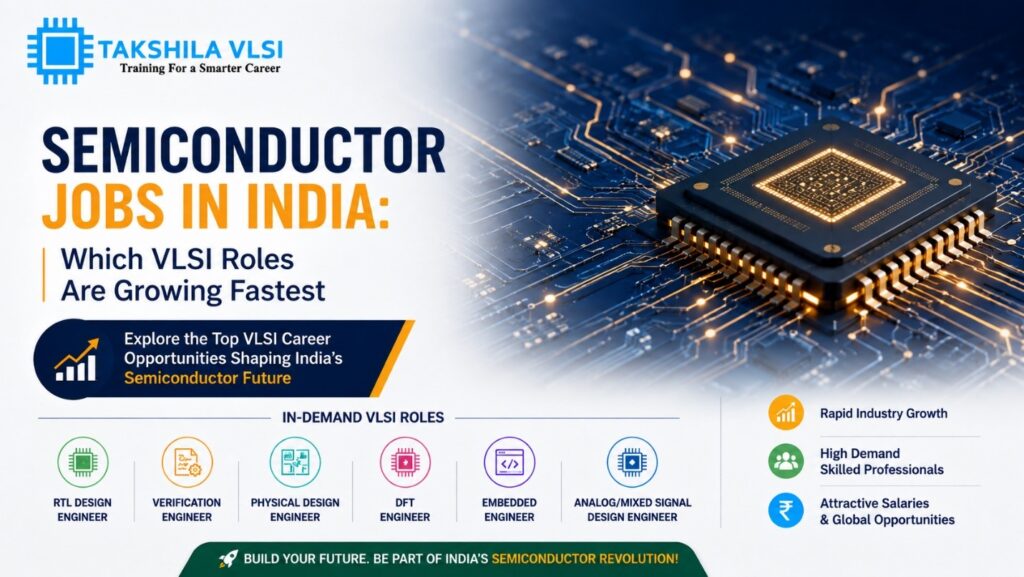
The Indian semiconductor story has shifted noticeably over the past few years. What used to be a design-services-heavy industry, largely serving as an extension of R&D teams headquartered elsewhere, is

Every conversation about artificial intelligence tends to focus on models, algorithms and data. Rarely does it start with the chip. Yet none of the recent progress in AI would be

The semiconductor industry has quietly turned into one of the most exciting spaces for engineering graduates in India. Every phone, laptop, electric vehicle, and smart device you use runs on

One of the most common questions freshers ask before placement season is simple: what should I actually build? Theory alone rarely convinces a recruiter, and a resume with no project

This question comes up in almost every VLSI training discussion: should you focus on collecting certifications, or spend that time building hands-on projects instead? Both have their place, but they

A degree certificate tells a recruiter what you studied. A portfolio tells them what you can actually do. In a field as technical as chip design, semiconductor recruiters increasingly rely

Ask any fresher who has just finished a VLSI course what worries them the most, and the answer is almost always the same: not knowing whether they actually have the
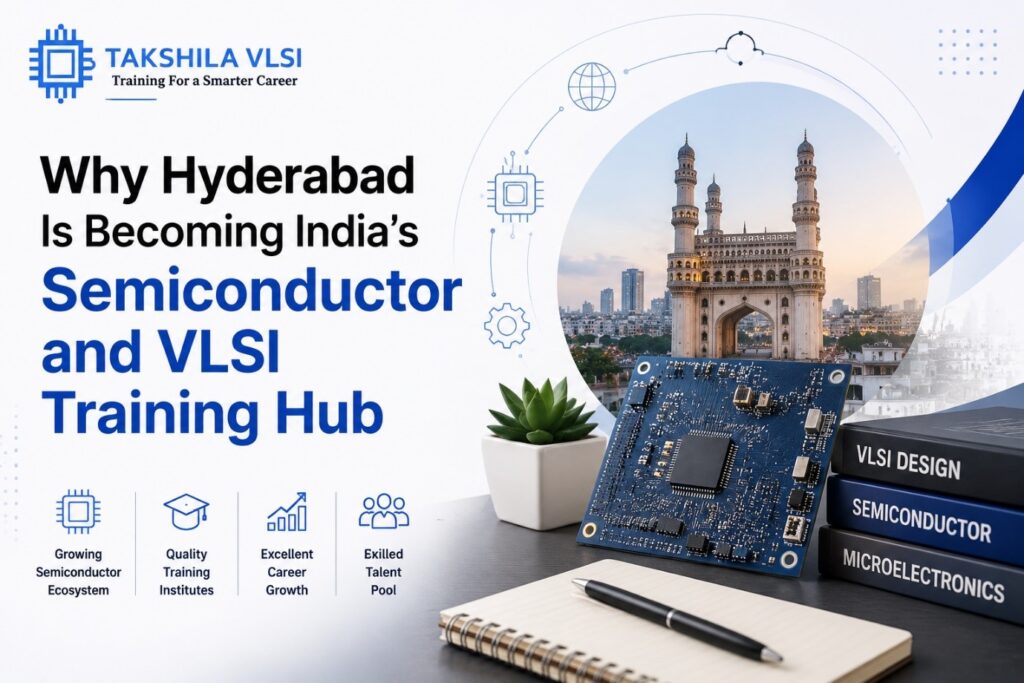
India’s chip industry has witnessed explosive growth. India has jumped light years in a few years and has become one of the preferred destinations for youngsters in terms of VLSI
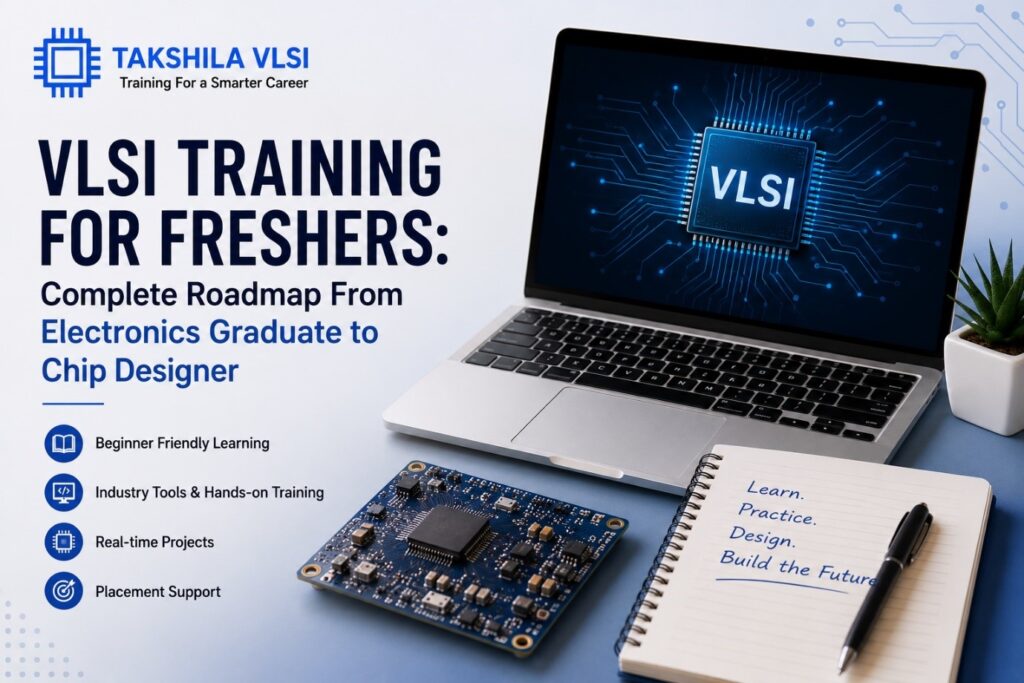
The semiconductor industry is booming now, as never before, creating a number of unique prospects for fresh engineering graduates. Even if this is the first you come across, these unique
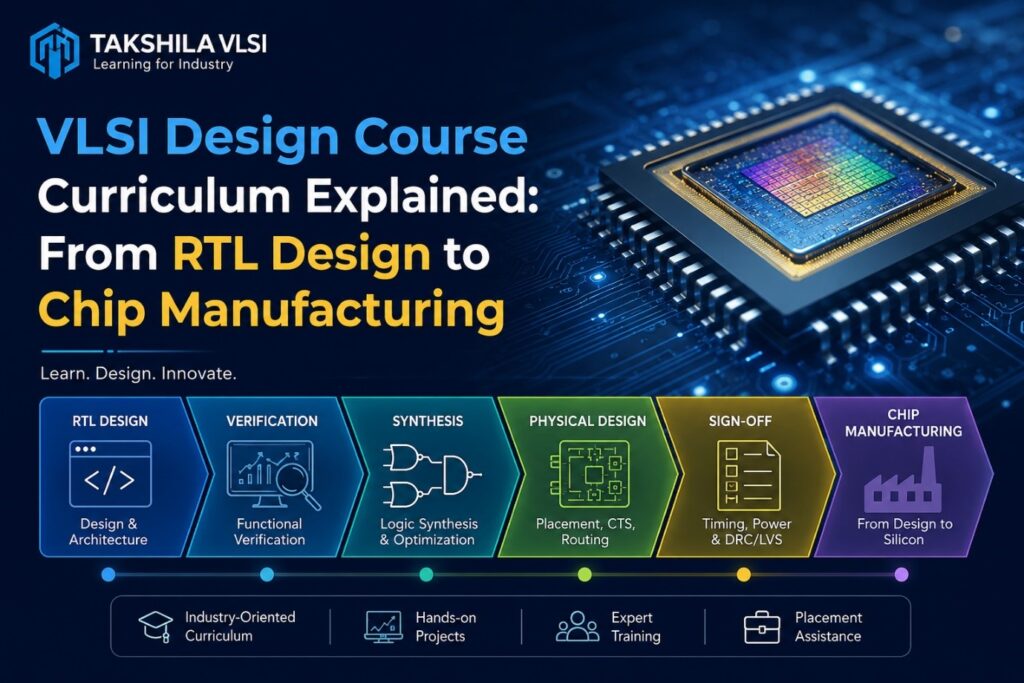
The constantly evolving semiconductor industry demands talented VLSI engineers in every segment, whether it be design, verification, or manufacturing. Enrolling on the appropriate VLSI design course will allow you the