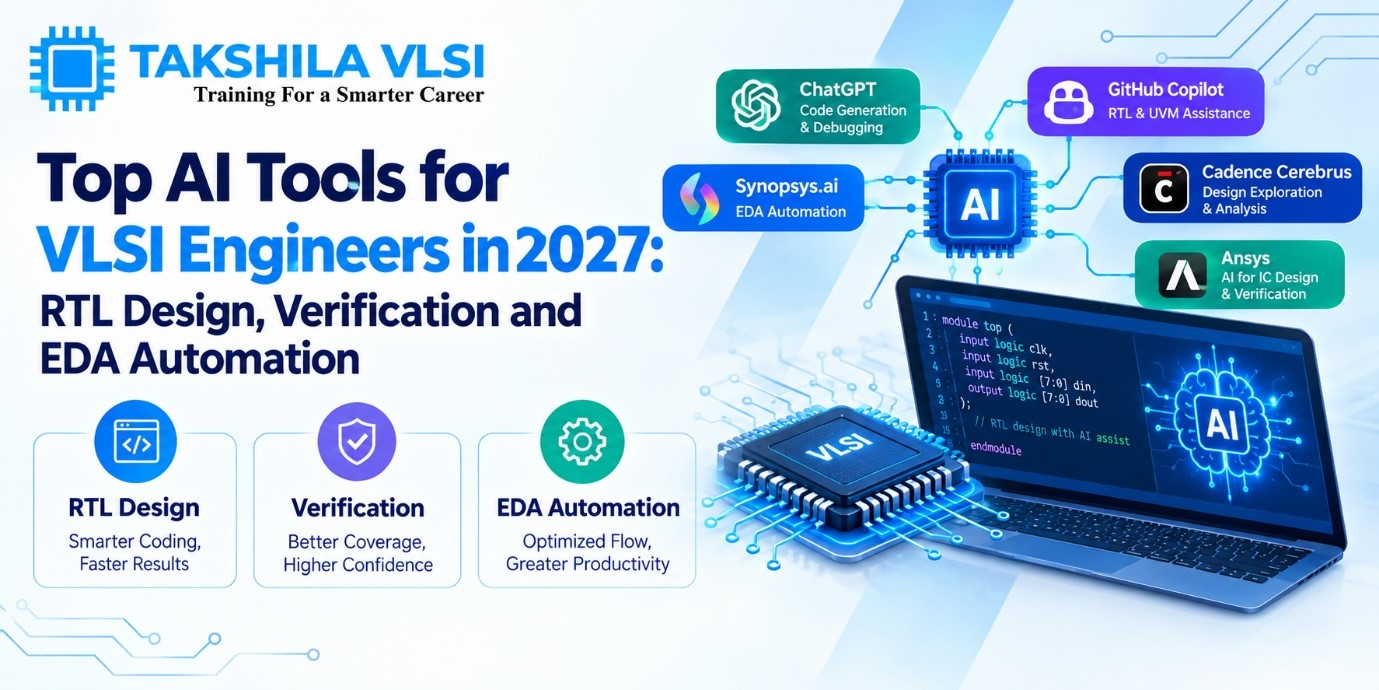





Two years ago, “AI for chip design” mostly meant research papers and a few optimisation features hidden inside large tools. Today the three biggest EDA vendors each market an agent-style

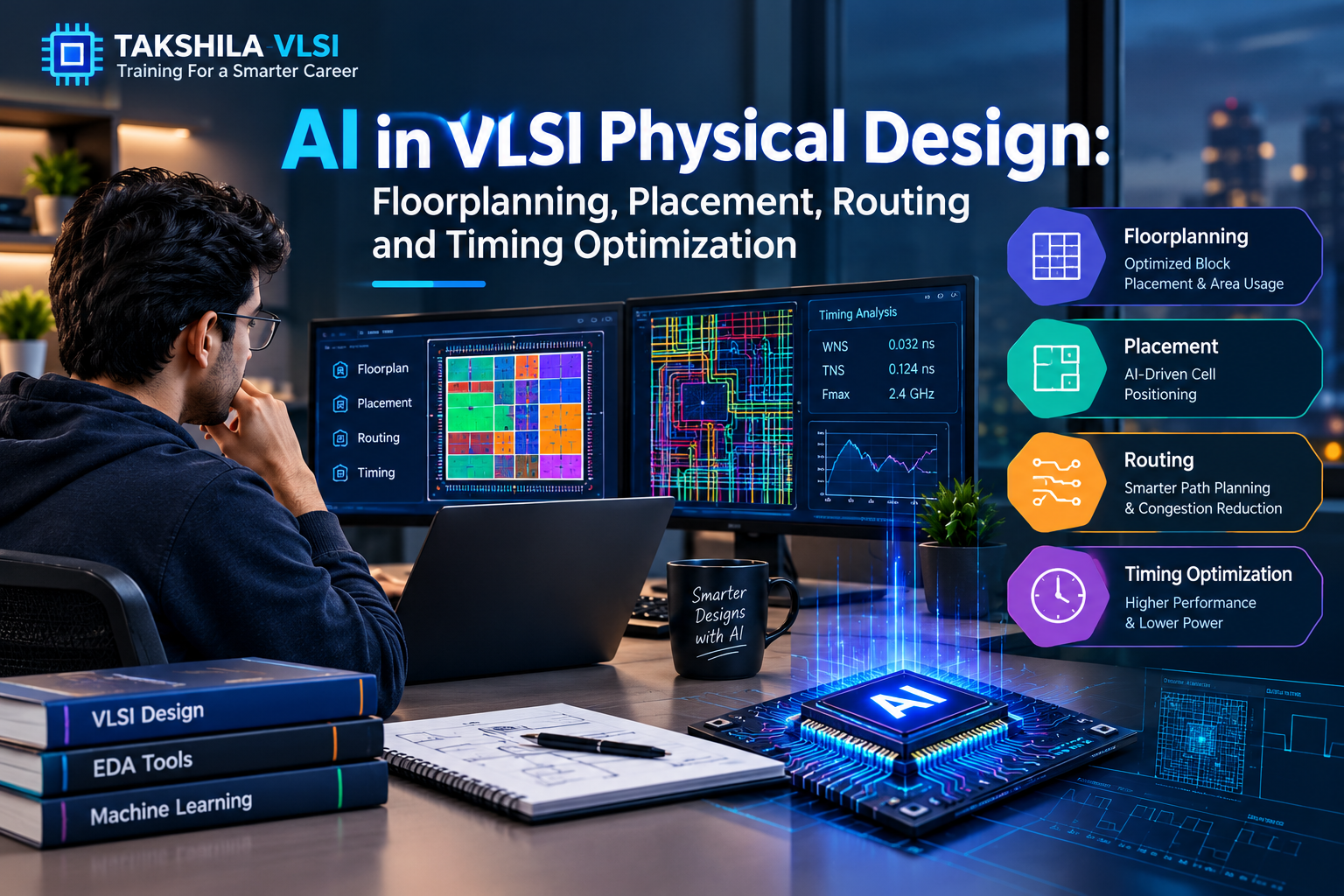
Physical design is a problem of enormous scale. Billions of placement decisions, millions of nets, many timing corners and competing goals all have to be balanced at once. Engineers have

Verification is where chip projects spend a huge share of their effort. The reason is simple: finding a bug in simulation costs a few hours, while finding it in silicon
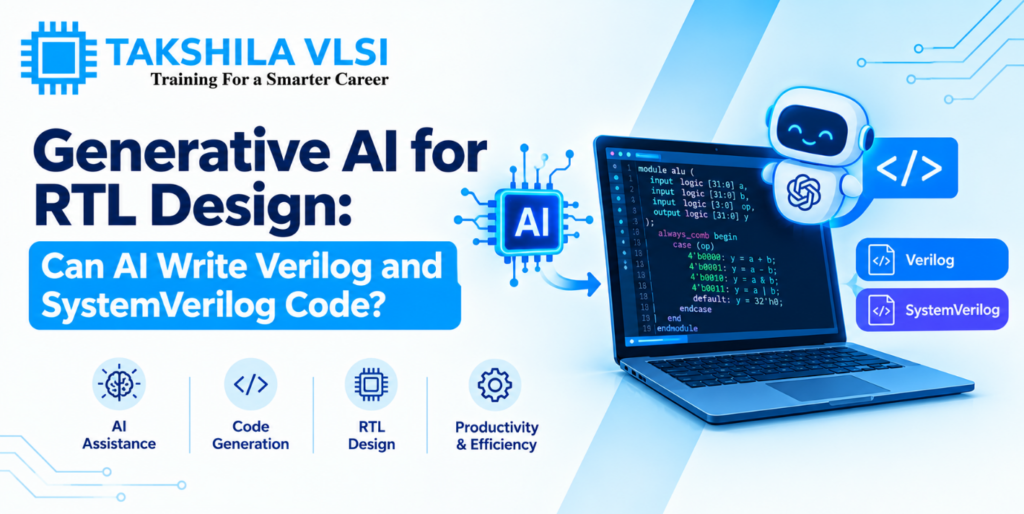
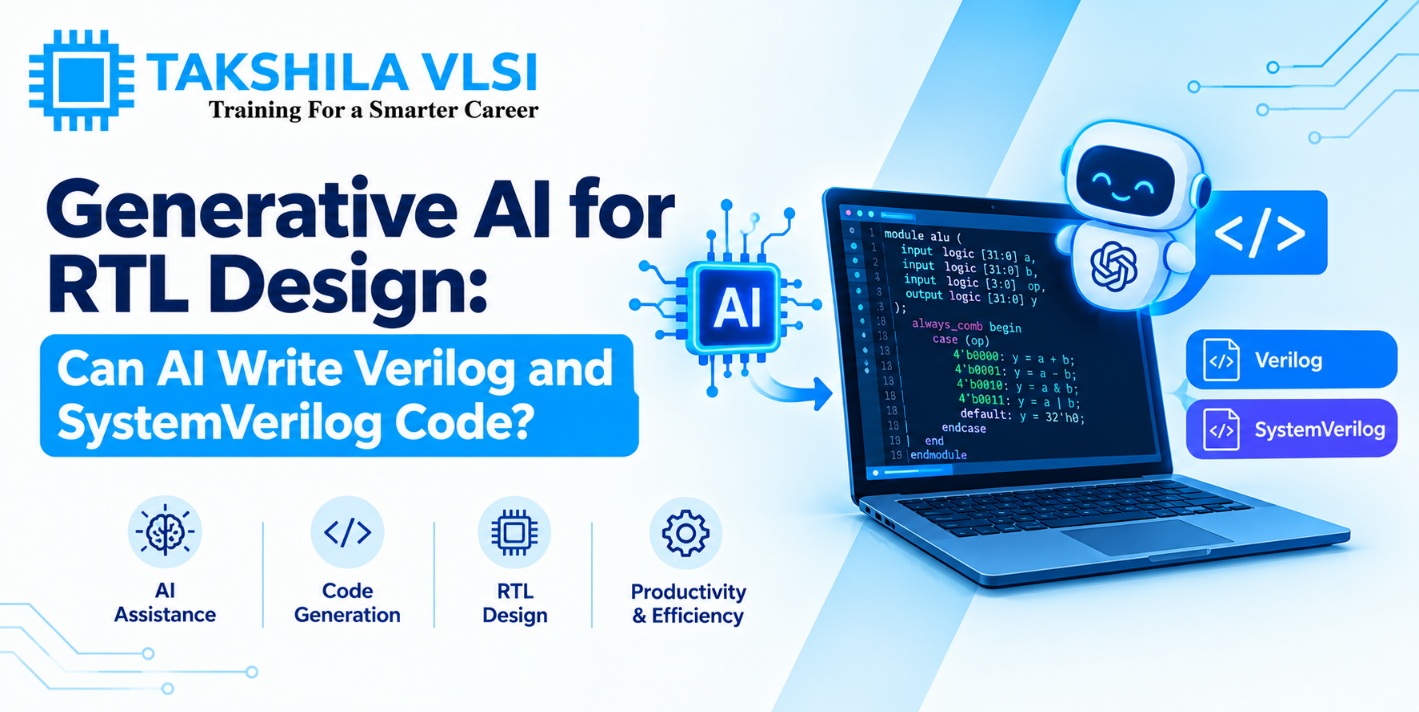
Ask an AI assistant for a Verilog module and you will get one in seconds. It will have sensible names, tidy formatting and a confident explanation. The real question for

Chip design is one of the most complex engineering activities humans undertake. A modern processor can contain tens of billions of transistors, and the tools that design it generate more

For decades, chip design followed a fairly steady rhythm: smaller transistors, higher clock speeds, and a new generation of processors every couple of years. The rise of artificial intelligence has

A VLSI interview is rarely a quiz on definitions. Interviewers want to see how you think. They will start with a simple question, follow your answer with “why?”, and keep

Recruiters in the semiconductor industry see hundreds of resumes that list the same subjects and the same marks. What makes one stand out is a project the candidate can explain
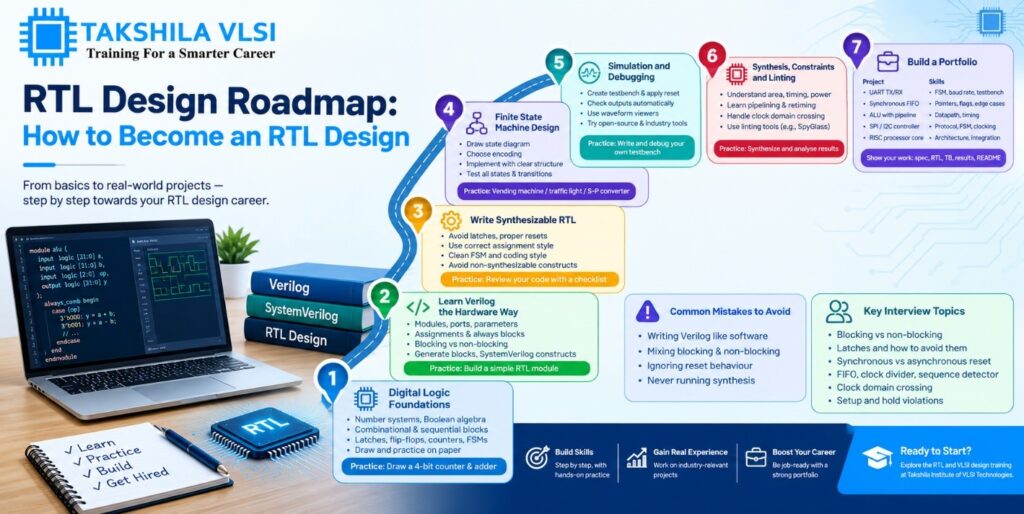
Every chip begins as a description of behaviour, and the person who writes that description is the RTL design engineer. RTL, short for Register Transfer Level, is where an idea
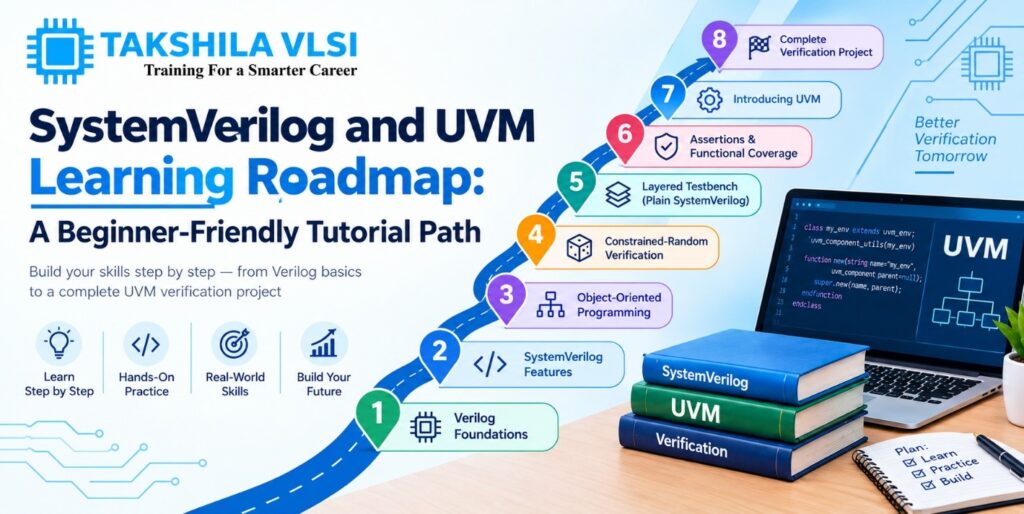
Search for a UVM tutorial and you will find hundreds of them, most starting with a class diagram that looks like a family tree. It is easy to feel lost