


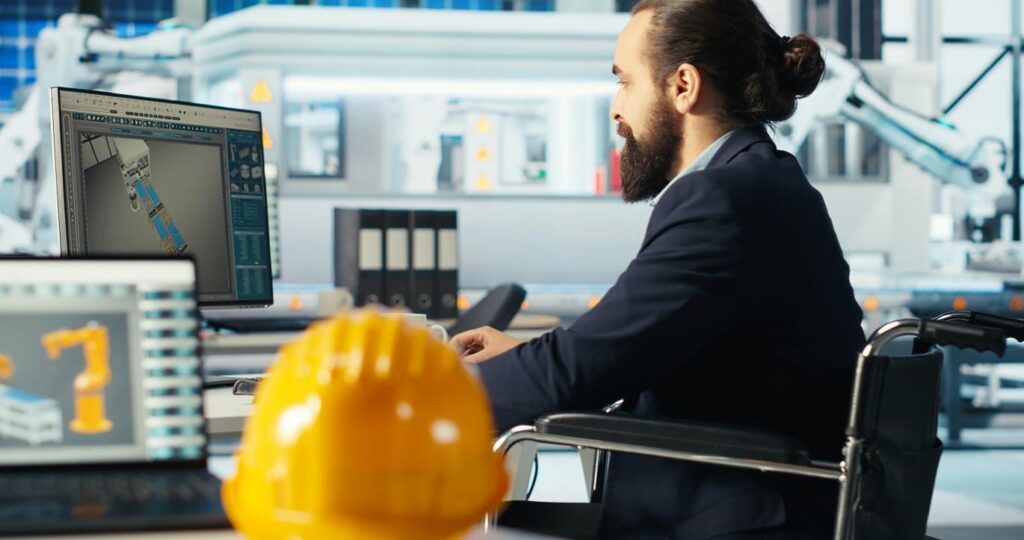
The modern career decision-making is not primarily about passion anymore, but also about sustainability, topicality, and the opportunity to develop. This is a crucial question that engineers in all fields

The semiconductor industry is among the rapidly developing industries in the world today. Everything, starting with smartphones and laptops and going through electric vehicles and smart homes, is a chip-run

The globe is growing digital by the day. Smartphones and smart houses, electric vehicles and AI, all of this is on a chip. Upon these mighty chips stand VLSI engineers

The world we live in is evolving at an accelerated pace. Artificial intelligence is becoming a reality; cars will be electric; and smartphones will be smarter. The driving force behind

The electronic and semiconductor engineers are in high demand in the current environment of a rapidly changing, fast-moving technological world. Smartphones and electric vehicles run on ICs, as do AI
The semiconductor business is one of the most vibrant and quickly expanding ones today. It is through smartphones and laptops, as well as electric cars and AI systems, that all
As semiconductor technology transitions to smaller geometries, physical design is no longer simply a matter of placing cells and routing wires. The engineers are now confronted with a different degree
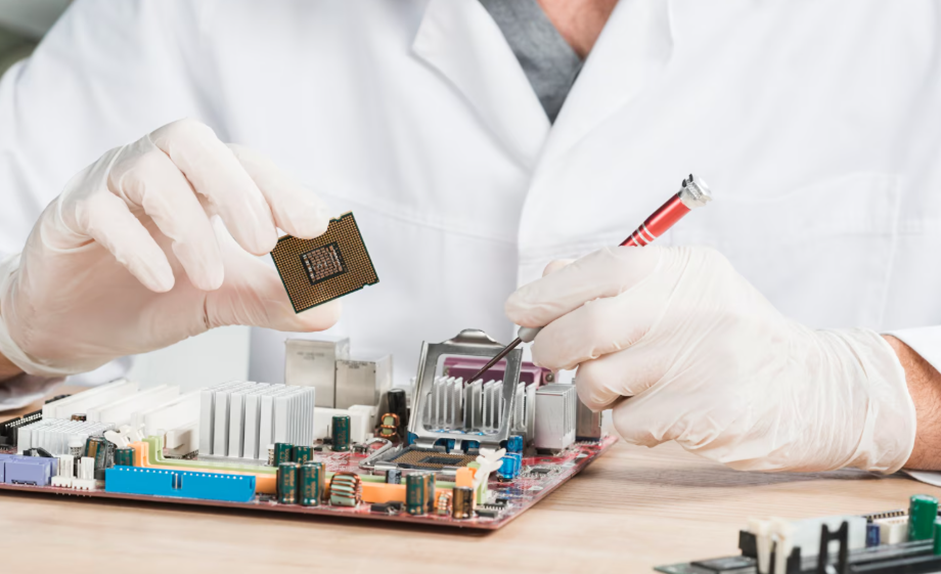
Have you ever asked yourself who ensures that complex chips that power smartphones, cars, and data centres function correctly before they enter the market? When you like solving problems, logic,
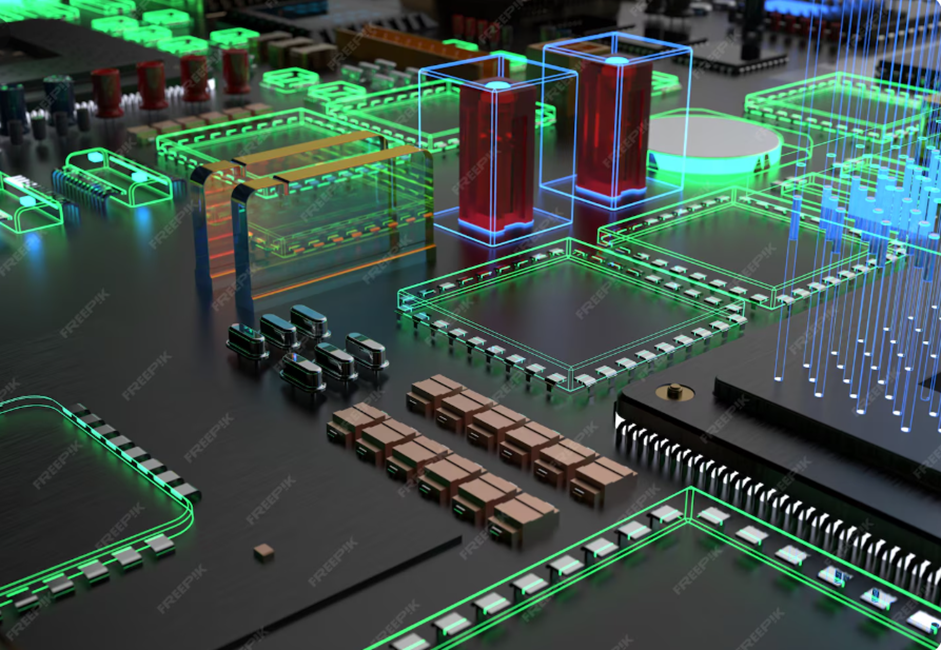
Have you ever wondered how a plain block of RTC code ends up in a physical chip in your smartphone or laptop? The RTL-to-GDSII flow guides the change by carefully

The semiconductor sector is more dynamic than ever, and it is no longer possible to rely on a degree alone to stand out. If you want to work on advanced