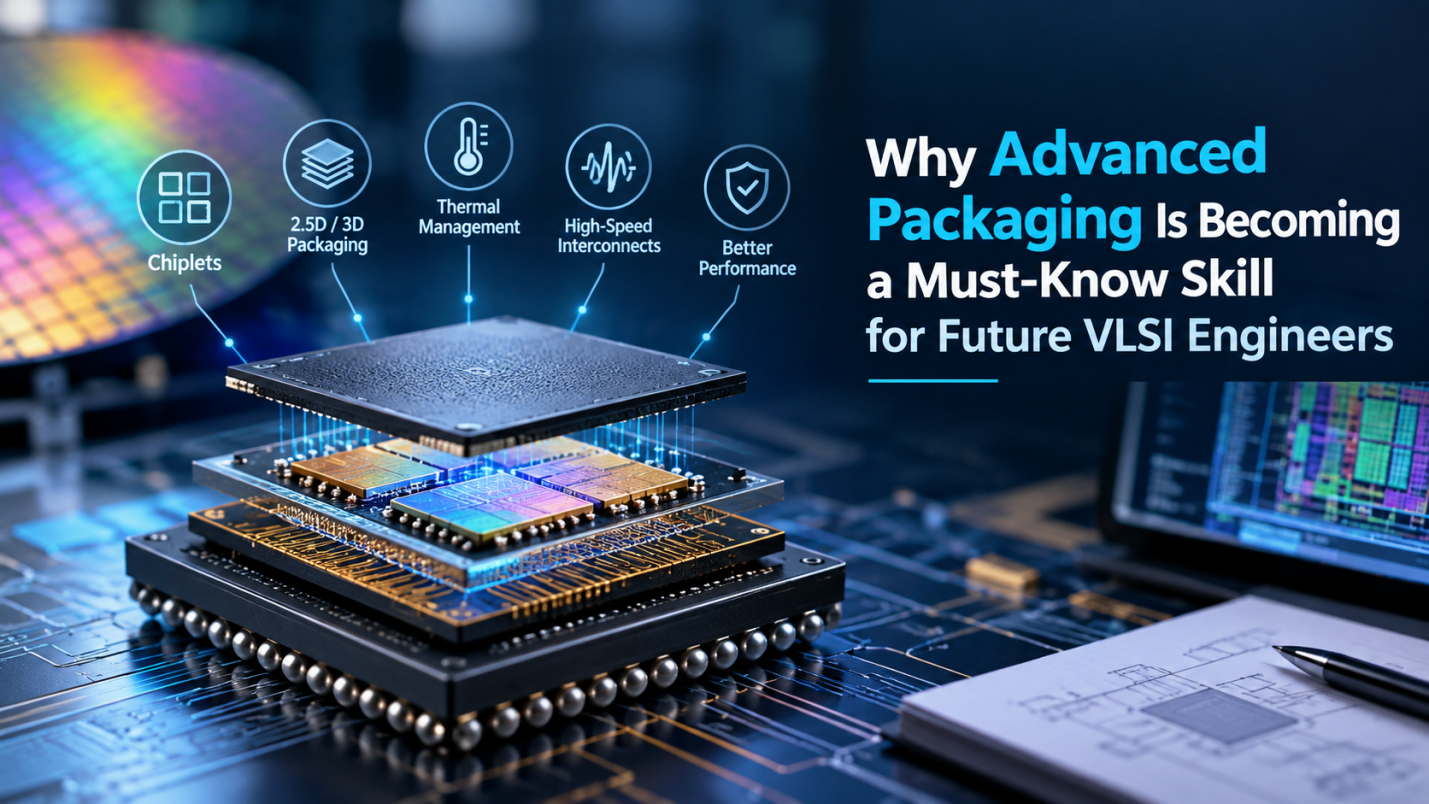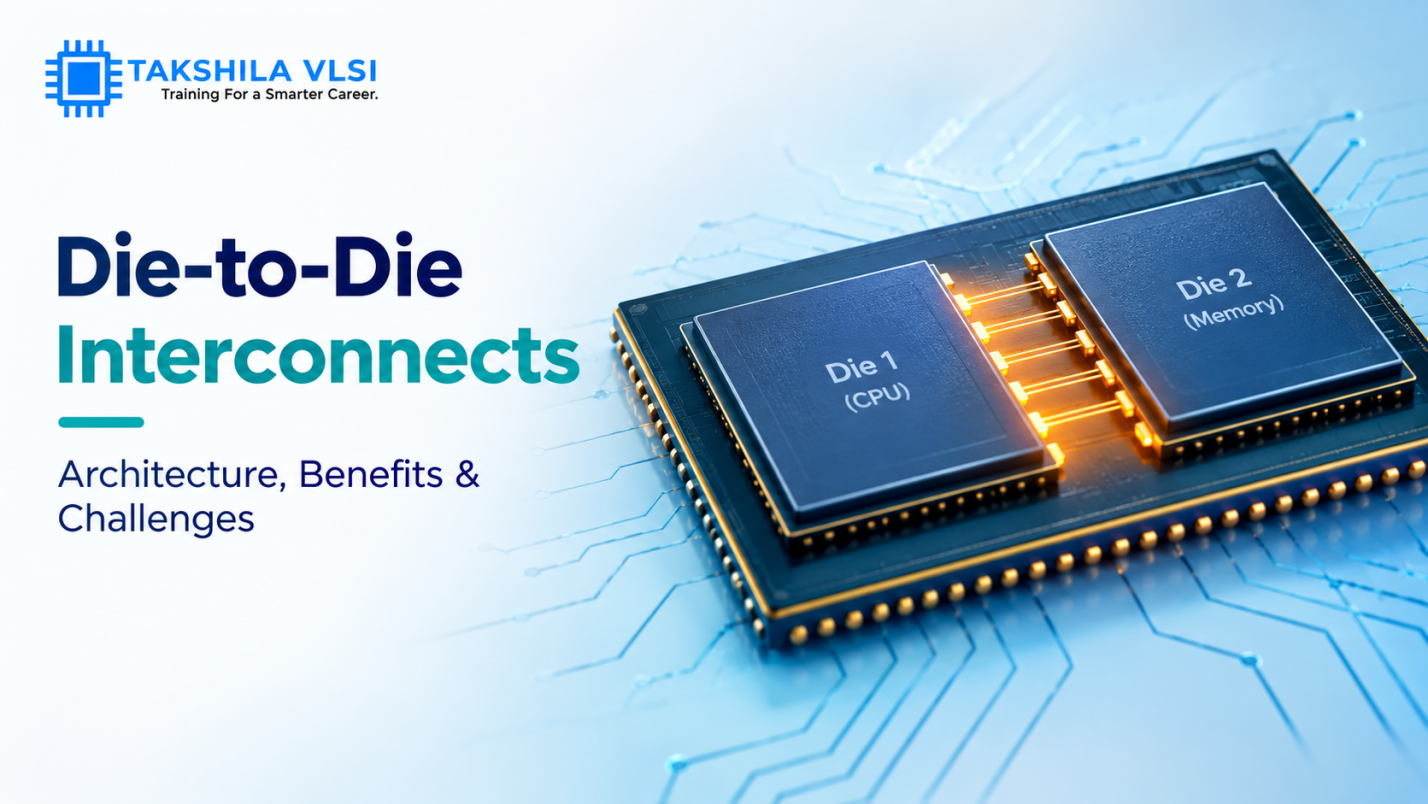




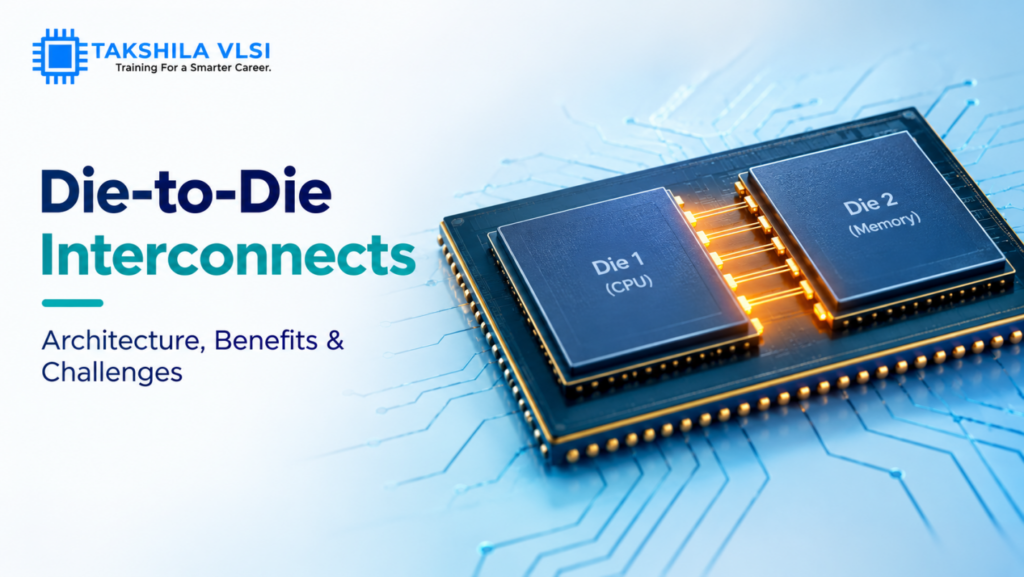
For most of the last two decades, chip designers had a fairly straightforward playbook: shrink the transistor, cram more logic onto one piece of silicon, and let the process node
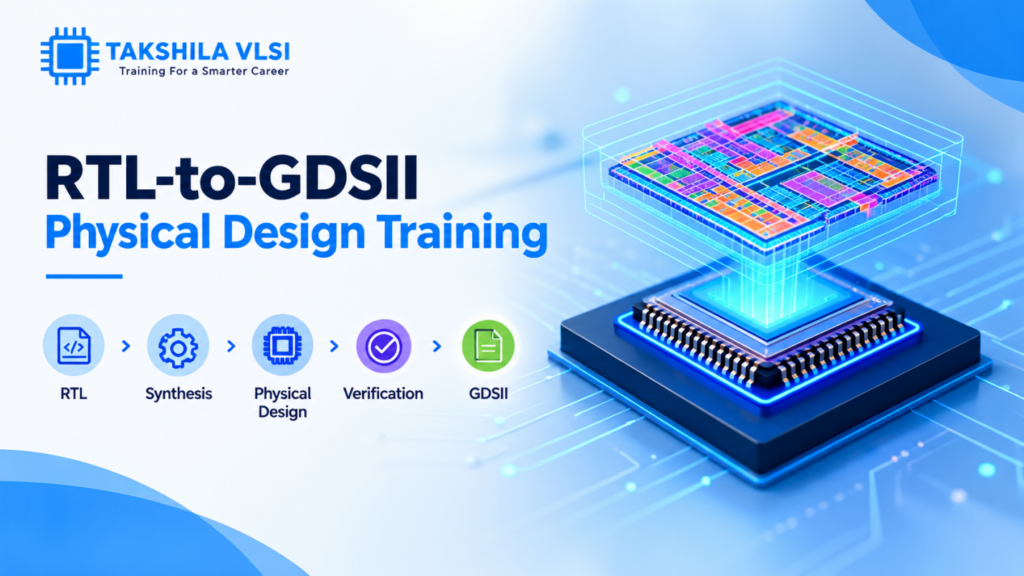
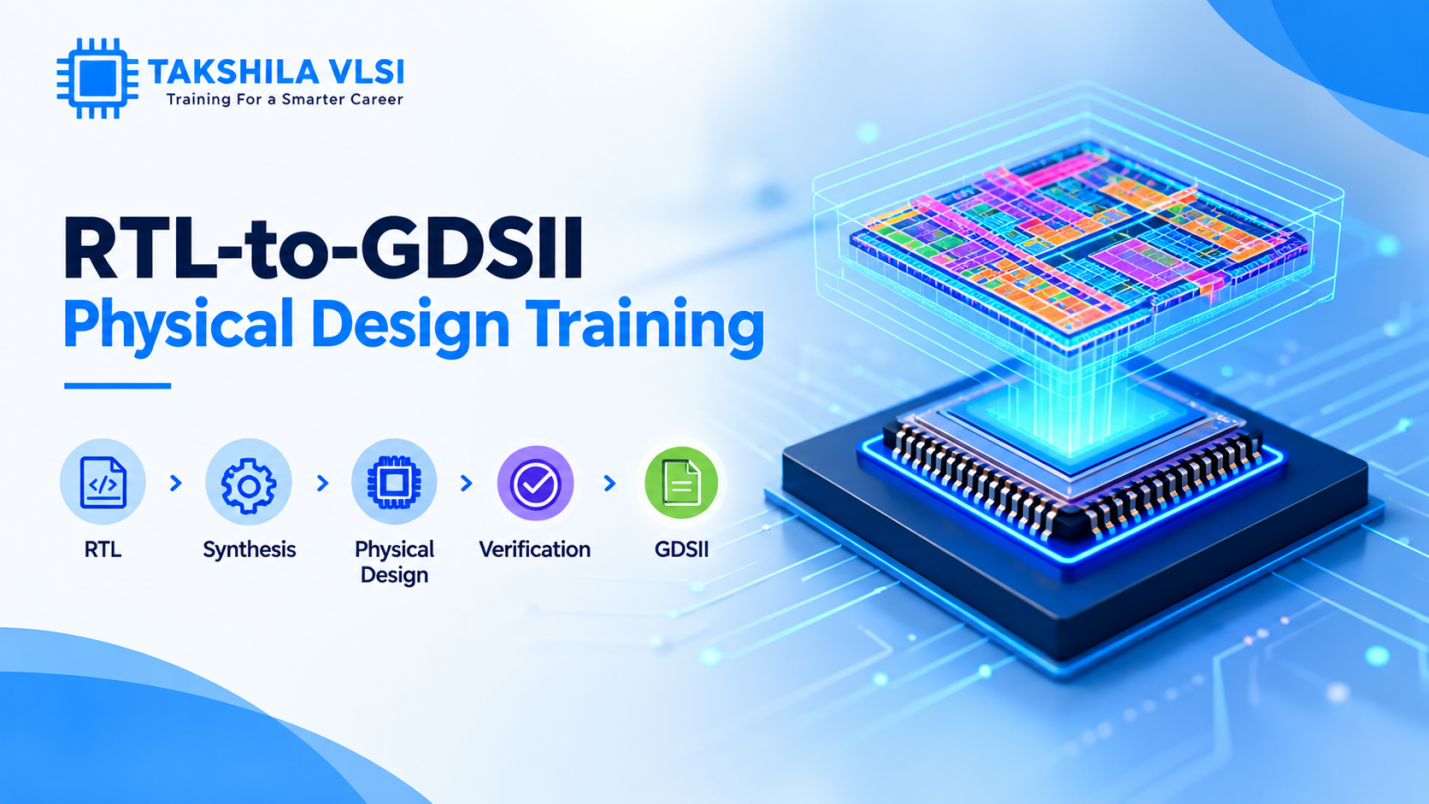
RTL-to-GDSII is the phrase you will hear repeated constantly once you start exploring physical design courses, and for good reason it describes the entire journey a chip design takes, from

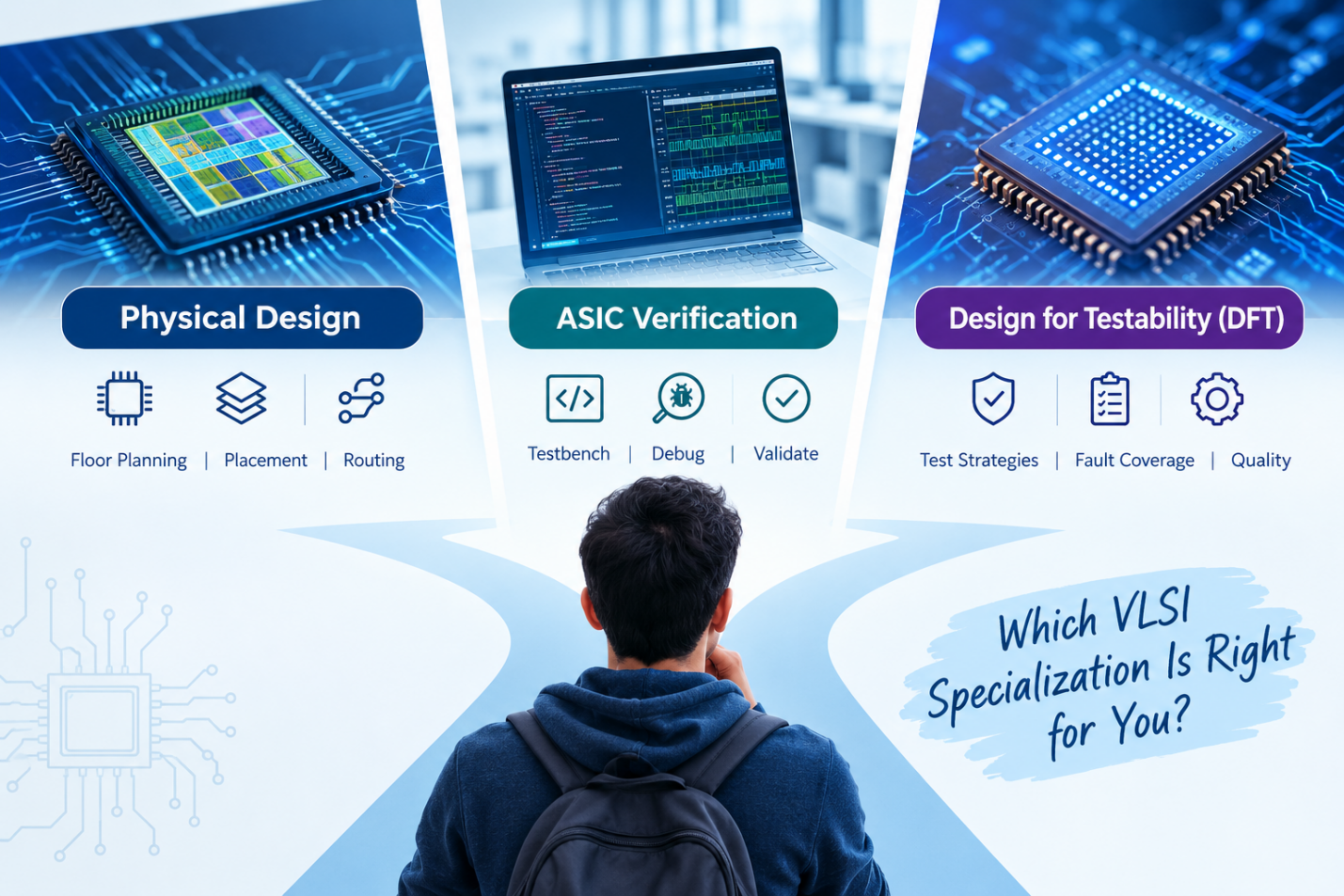
If you have started exploring a career in VLSI, you have probably noticed that the field is not one single path but three distinct ones design, verification, and physical design

The semiconductor industry isn’t looking for paper knowledge or merely the names of training courses you attended. While certifications confirm completion of the curriculum, a candidate’s hands-on experience reflects their

Chip designers are pursuing chips with higher levels of complexity. While a chip can execute more instructions and functions and even reduce its power consumption. As it is becoming more
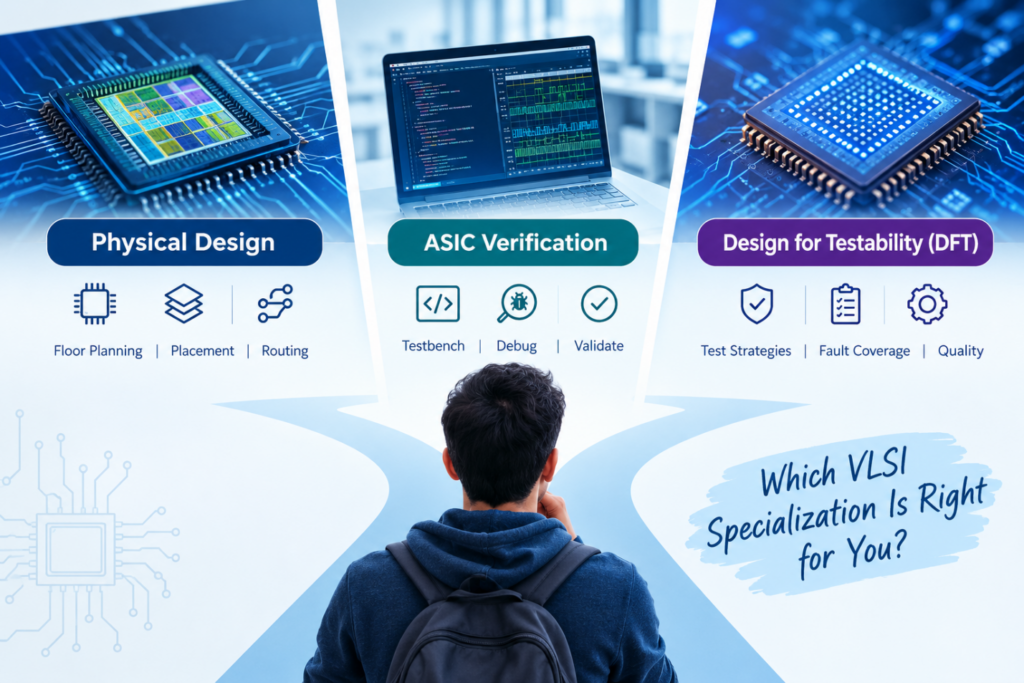
It’s often an overwhelming decision for BTech students pursuing the VLSI career path, specifically with Electrical Engineering, Electronics and Communication Engineering, or the equivalent backgrounds to choose the right field.

Semiconductor technology continues to play an increasing role in the Automotive world. Today’s vehicles are relying heavily on silicon in features such as; safety systems, infotainment, electric powertrains, autonomous systems,

The world of semiconductors is one of the most fascinating and technically rigorous engineering disciplines. But if you were an engineering student who was considering entering the field, what does
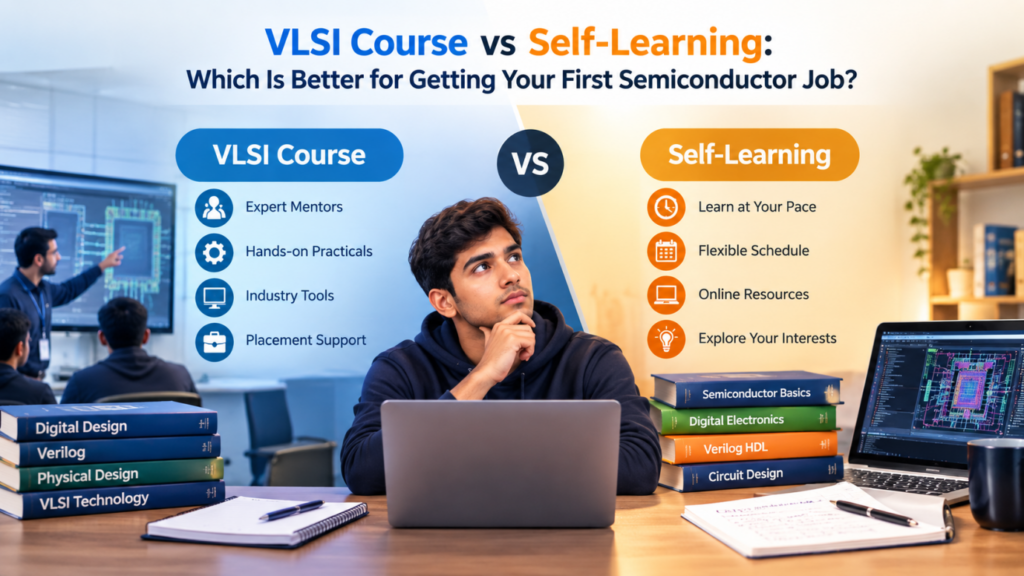
The electronics and semiconductor sector itself are great career choices, knowing which path is appropriate to choose is very important. A question many aspirants ask is, what would be the

Automation is becoming an essential requirement in the semiconductor industry, which requires the swift design of a complicated chip. AI is enabling a new workflow to be established for chip