





You finished your ECE degree, you know you want to work in semiconductors, and now you face a question that stops many freshers: which VLSI course should you pick? Physical

Digital chips are mostly laid out by tools. Analog chips are not. The amplifier that cleans up a sensor signal, the regulator that powers a phone and the data converter
Every chip that leaves a factory must be tested, and testing a chip with billions of transistors is not as simple as switching it on. Without help built into the
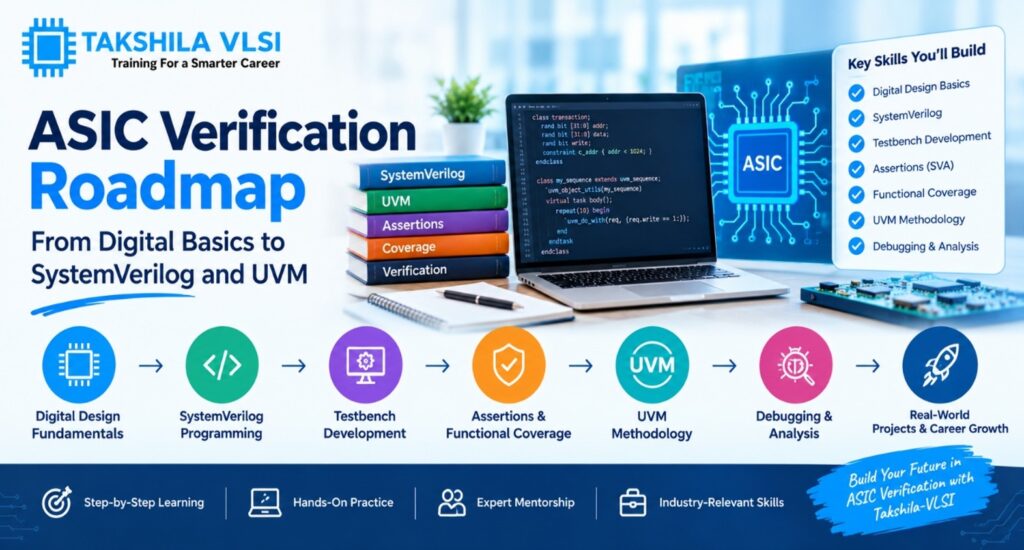
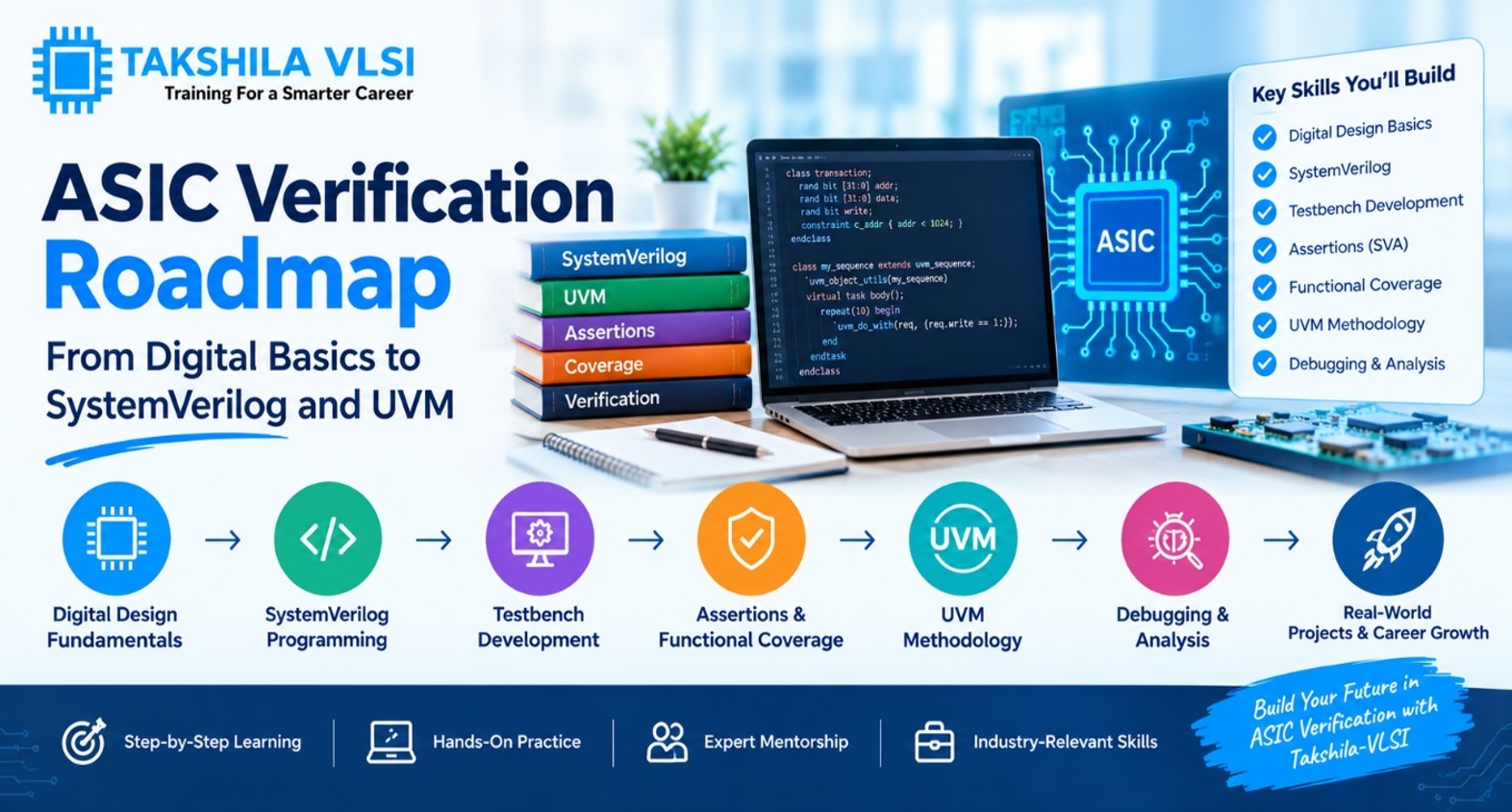
Here is a fact that surprises many newcomers: on a typical chip project, verification engineers often outnumber the designers. Finding bugs before silicon is manufactured is expensive work, because a

Ask ten physical design engineers how they got started and you will hear ten different stories. Some came from electronics, some from computer science, and a few switched from completely
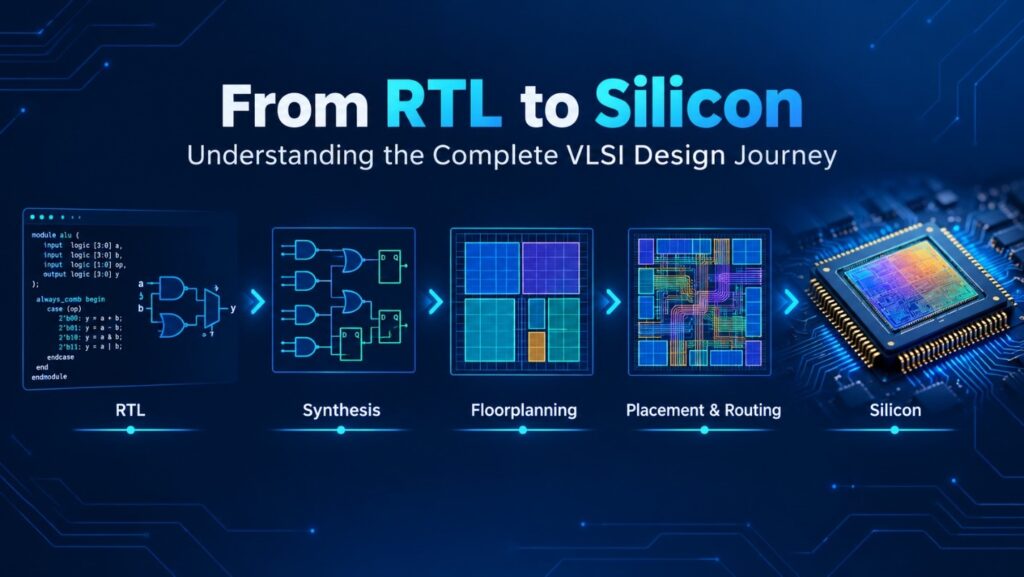
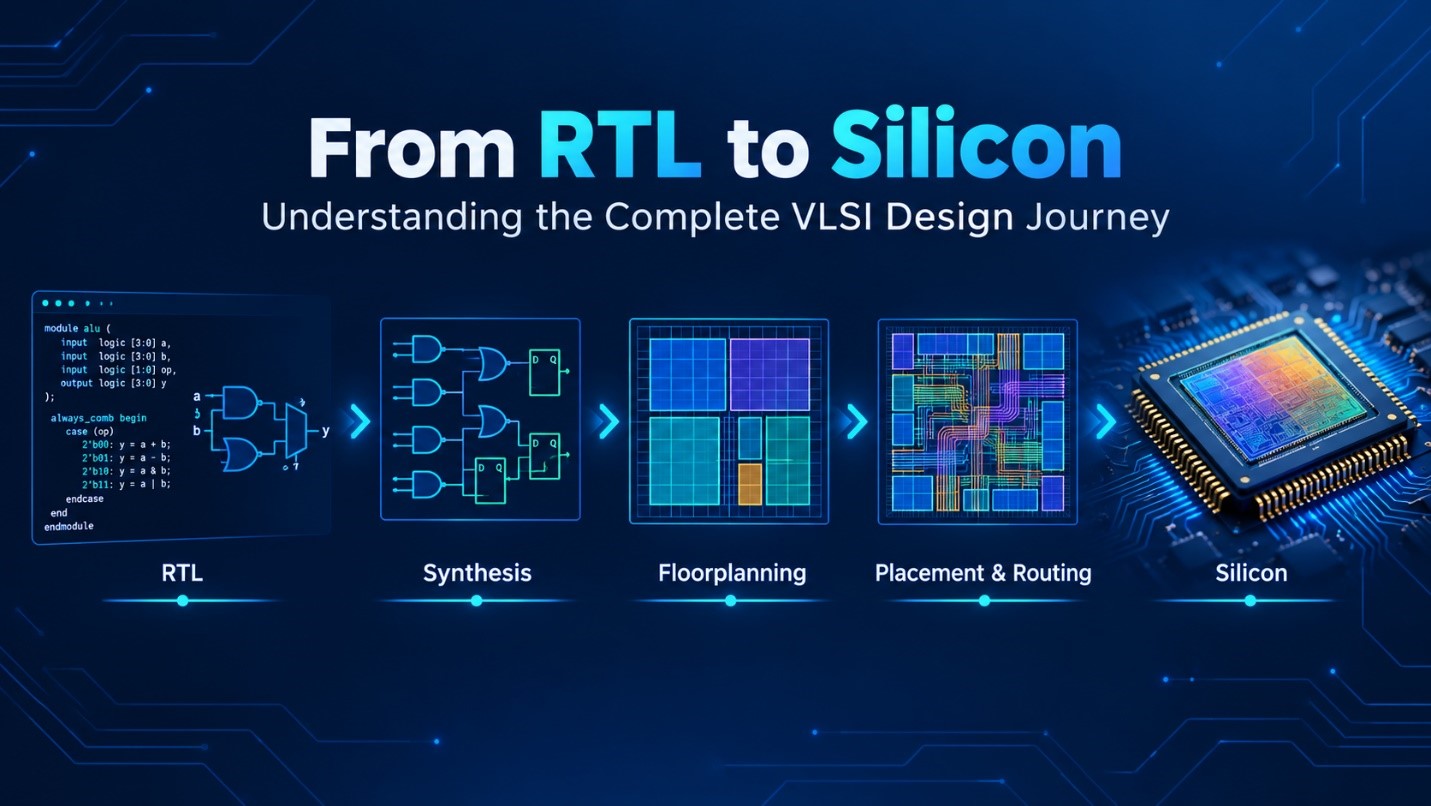
Every chip in your phone, laptop or car started as a plain-language specification. Somewhere between that document and the finished piece of silicon, thousands of decisions were made, checked, rechecked

A lot of freshers apply for chip design jobs the way they’d apply for any engineering role: send the resume, hope for a call. Then the technical round starts, and
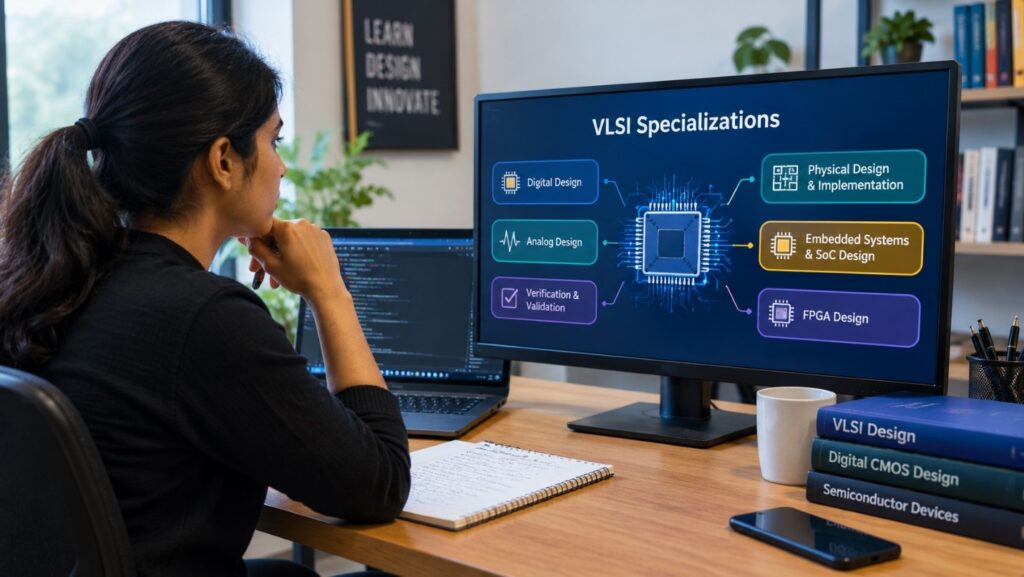
Most people who enter the chip industry don’t pick a specialization so much as stumble into one. A campus recruiter needs verification engineers, so you become one. A friend lands

Search for online VLSI training and you’ll find dozens of options, all promising job-ready skills in a few months. Some are excellent. Some are recorded lectures with a certificate attached.

Ask a handful of final-year electronics students what they plan to do after graduation and most will say software. It’s the default path, and for a long time it made